

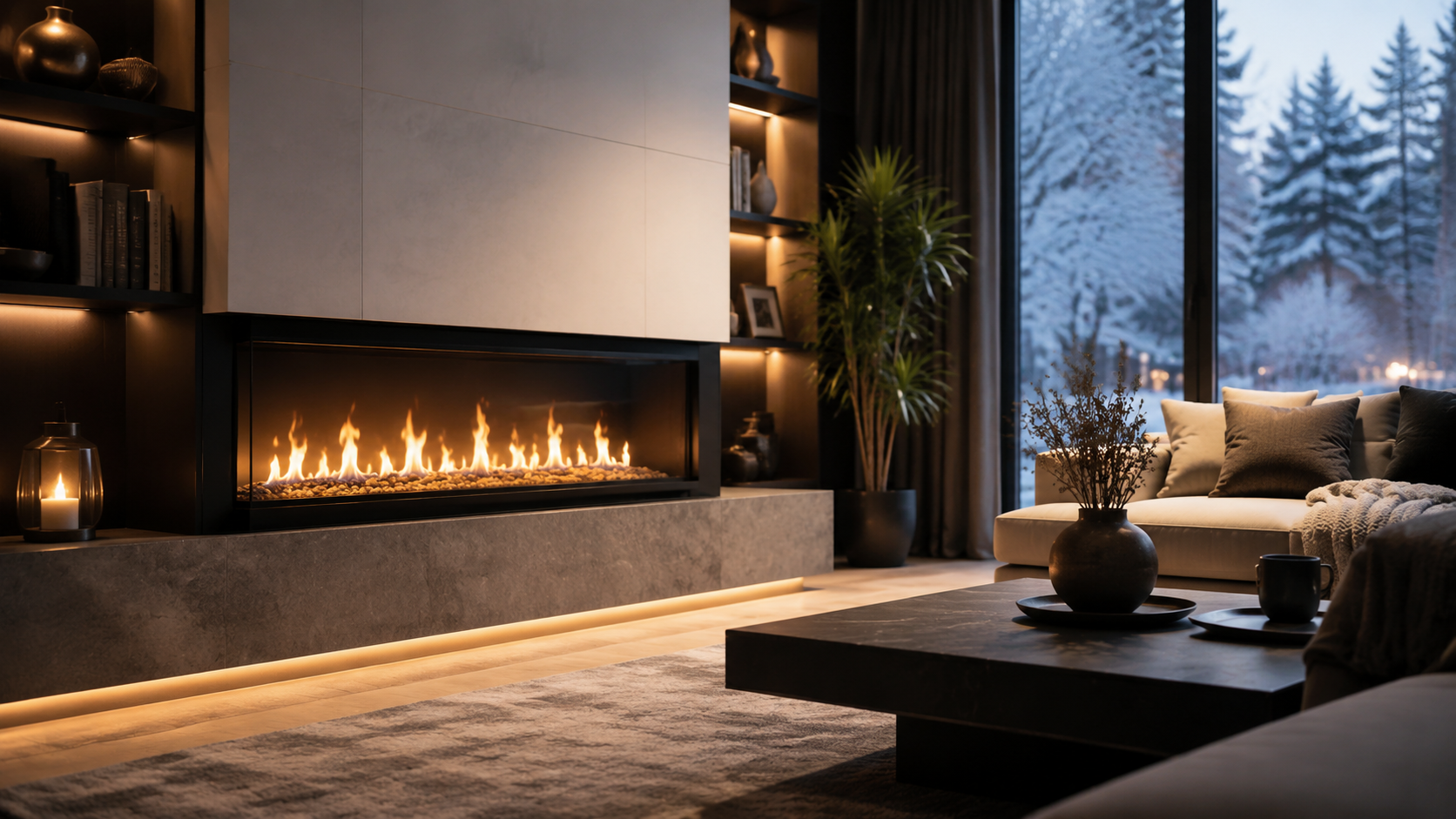
Zimmerkamine are modern indoor fireplace systems designed to bring warmth, comfort, and visual appeal into living spaces without the need for traditional chimney construction. The term “Zimmerkamine” comes from German language, meaning room fireplace, and it represents a new generation of heating and decorative solutions used in homes, apartments, hotels, and offices. Unlike conventional fireplaces that require heavy installation and ventilation systems, Zimmerkamine are designed for flexibility and modern living.
In today’s interior design and urban housing trends, Zimmerkamine have become a popular choice because they combine functionality with aesthetics. They are available in multiple forms such as electric, bioethanol, gas, and wood-based systems, allowing users to choose according to their space and lifestyle needs. Their growing popularity reflects the demand for cleaner, safer, and more design-friendly heating solutions.
What is Zimmerkamine
Zimmerkamine refers to modern indoor fireplaces designed for use inside rooms without requiring a traditional brick chimney or complex construction. The word comes from German, where “Zimmer” means room and “Kamin” means fireplace, and together it describes a room-based heating or decorative fire unit. In modern home design, Zimmerkamine are widely used because they combine heating comfort with interior aesthetics, making them suitable for apartments, houses, and commercial spaces.
In today’s lifestyle, Zimmerkamine are more than just heating devices; they are part of interior decoration trends. Many homeowners prefer them because they can be installed quickly and offer a clean fire experience compared to traditional fireplaces. Depending on the model, they may run on electricity, bioethanol, gas, or wood pellets, which allows flexibility for different living environments and energy preferences.
History and Evolution of Zimmerkamine
Zimmerkamine originally developed from traditional European fireplaces, especially in Germany and surrounding regions where heating systems were integrated into home architecture. Earlier homes relied heavily on wood-burning stoves connected to chimneys, but urban development created a need for safer and more compact heating solutions. This shift led to the evolution of modern Zimmerkamine systems that could function without heavy masonry work.
Over time, advancements in heating technology introduced electric flame simulation, cleaner fuel options, and energy-efficient designs. Today’s Zimmerkamine are designed not only for warmth but also for ambiance and visual appeal. The evolution reflects a shift from necessity-based heating to lifestyle-based interior enhancement, making them popular in modern architectural design across Europe and beyond.
Types of Zimmerkamine
Zimmerkamine come in several types depending on fuel source and installation style. Electric Zimmerkamine are among the most common because they are easy to install and require only a power connection. They use LED flame technology combined with heating elements, creating a realistic fire effect without smoke or ash, making them suitable for apartments and indoor use.
Bioethanol and gas-based Zimmerkamine are also widely used for more realistic flame experiences. Bioethanol models burn clean fuel and produce real flames without requiring a chimney, while gas versions provide stronger heat output for larger spaces. Wood pellet and traditional wood-burning Zimmerkamine still exist for users who prefer authentic fire experiences, although they require ventilation and proper installation systems.
Installation and Setup of Zimmerkamine
One of the key advantages of Zimmerkamine is their simple installation process compared to traditional fireplaces. Electric models are usually plug-and-play, requiring no construction work, while bioethanol versions only need safe placement on a stable surface. This makes them highly convenient for modern apartments and rented spaces where permanent modifications are not allowed.
More advanced systems like wood or pellet Zimmerkamine require professional installation and proper ventilation systems. These setups often include flue pipes or chimney connections to ensure safe smoke release. Despite the variation in installation complexity, Zimmerkamine remain significantly easier to install than traditional masonry fireplaces.
Benefits of Zimmerkamine in Modern Homes
Zimmerkamine offer multiple benefits that make them attractive for homeowners and interior designers. One of the biggest advantages is their ability to provide both heat and aesthetic value. They create a cozy atmosphere that enhances living spaces, especially during winter seasons, while also acting as a central design feature in modern interiors.
Another major benefit is flexibility. Zimmerkamine can be placed in different room types including living rooms, bedrooms, offices, and even hotel spaces. They are also energy-efficient in many modern versions, particularly electric models that allow controlled heating. This combination of convenience, design, and functionality makes them a popular choice in contemporary housing.
Zimmerkamine and Interior Design Trends
In modern interior design, Zimmerkamine are often used as statement pieces that enhance the visual identity of a room. Designers integrate them into feature walls, entertainment units, or minimalist layouts to create a luxury feel. Their clean and modern appearance fits well with Scandinavian, industrial, and contemporary design styles.
They are also commonly used in hospitality spaces such as hotels, lounges, and premium apartments. The presence of a fireplace instantly increases the perception of comfort and luxury, which is why Zimmerkamine have become a key element in high-end interior design projects. Their versatility allows them to blend with both modern and classic interiors.
Safety Aspects of Zimmerkamine
Safety is an important consideration when using Zimmerkamine, especially because different types use different fuel systems. Electric models are generally the safest as they do not involve real flames, smoke, or combustion. They are designed with automatic shut-off systems and temperature controls to prevent overheating.
Bioethanol and gas Zimmerkamine require more attention, as they involve real fire. Proper ventilation, safe fuel handling, and distance from flammable materials are essential. Wood-burning and pellet systems require regular maintenance and chimney cleaning to avoid smoke buildup. When used correctly, Zimmerkamine are considered safe and reliable heating solutions.
Energy Efficiency and Performance
Modern Zimmerkamine are designed with energy efficiency in mind, especially electric and pellet models. They allow users to control heat output based on room size and usage needs, reducing unnecessary energy consumption. This makes them more cost-effective compared to traditional fireplaces that lose significant heat through chimneys.
Bioethanol models, while efficient in creating real flames, are more focused on ambiance rather than long-term heating. Pellet systems offer high efficiency and strong heating performance, making them suitable for larger spaces. Overall, Zimmerkamine provide a balance between comfort, design, and controlled energy usage.
Cost and Maintenance of Zimmerkamine
The cost of Zimmerkamine varies depending on type, size, and features. Electric models are generally the most affordable and require minimal maintenance, while bioethanol fireplaces have moderate installation costs but ongoing fuel expenses. Gas and pellet systems tend to be more expensive due to installation requirements and technical setup.
Maintenance is also relatively simple for most Zimmerkamine types. Electric versions require only occasional cleaning, while bioethanol units need fuel refilling and surface cleaning. Wood and pellet systems require more regular maintenance, including ash removal and chimney inspection, but they still remain easier to manage than traditional fireplaces.
Future of Zimmerkamine
The future of Zimmerkamine is strongly connected to smart home technology and sustainable living trends. Many modern designs are already integrating smart controls, allowing users to adjust temperature and flame settings through mobile apps or home automation systems. This makes them more user-friendly and efficient.
As environmental concerns grow, there is also a shift toward cleaner energy sources like bioethanol and electric heating systems. Zimmerkamine are expected to evolve further with improved energy efficiency, realistic flame simulation, and eco-friendly materials. Their role in modern architecture will continue to expand as urban living spaces demand compact and stylish heating solutions.
Conclusion
Zimmerkamine have become an essential part of modern interior living by combining heating functionality with aesthetic design. They offer a practical solution for homes without traditional chimney systems while still delivering the comfort and visual appeal of a real fireplace. From electric and bioethanol models to advanced pellet systems, Zimmerkamine provide options for every type of living space and lifestyle.
As modern architecture continues to move toward minimalism, efficiency, and smart living, Zimmerkamine will remain a key feature in interior design. Their ability to transform ordinary rooms into warm and inviting spaces ensures they will continue to grow in popularity across both residential and commercial environments.