

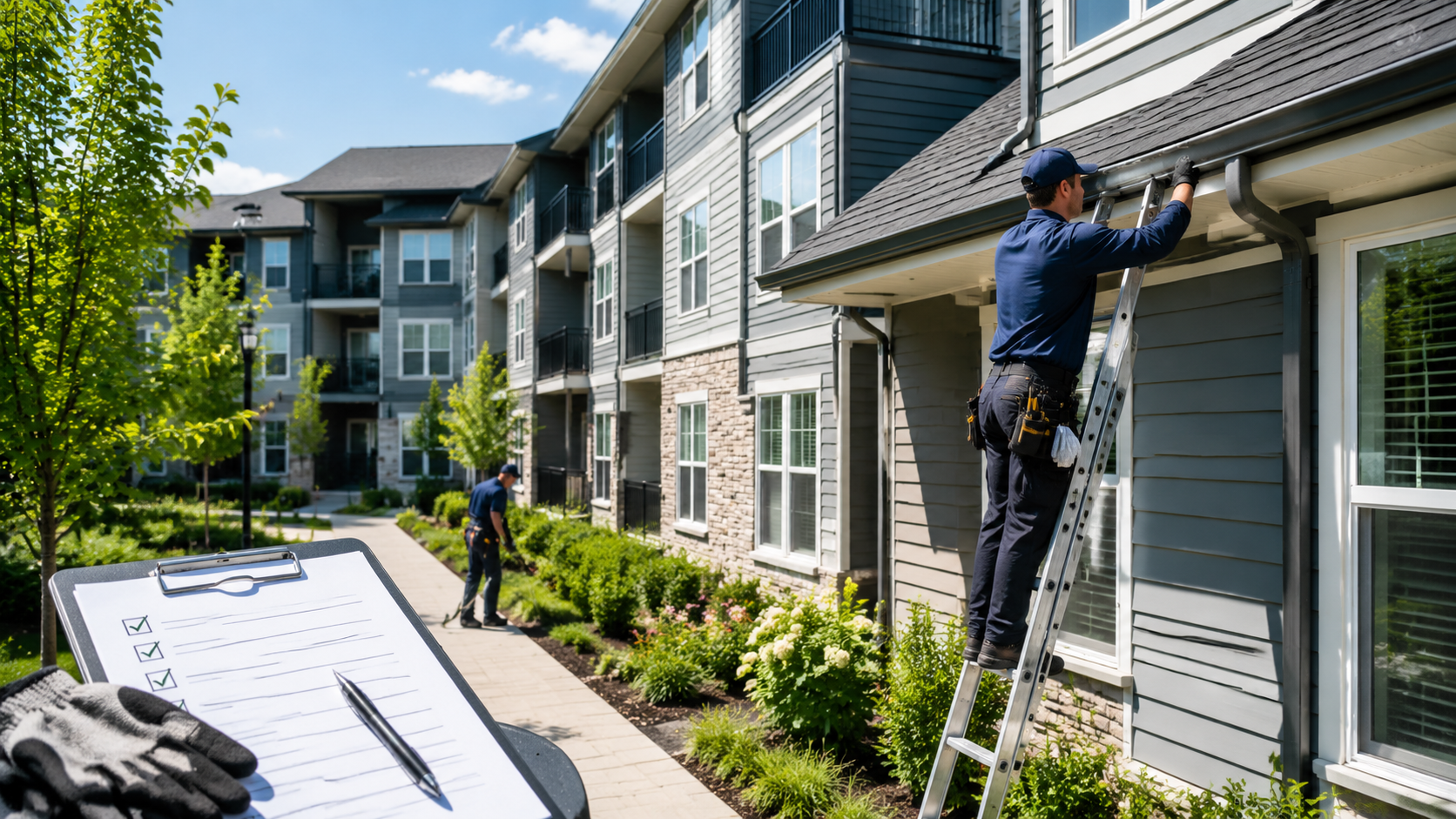
A comprehensive exterior maintenance plan is essential for property managers who want to preserve the value, safety, and appearance of their buildings. Regular upkeep not only prevents costly repairs but also ensures that tenants and visitors enjoy a clean, attractive environment. From seasonal inspections to addressing weather-related wear and tear, a well-structured plan covers all aspects of exterior care. This includes everything from roofing and siding to landscaping and drainage systems. By proactively managing these elements, property managers can extend the lifespan of building materials, reduce liability risks, and maintain curb appeal, which is crucial for tenant satisfaction and property value.
Key elements of a maintenance plan
Regular Inspections and Assessments
Routine inspections form the backbone of any effective exterior maintenance plan. Property managers should schedule thorough assessments at least twice a year, ideally in the spring and fall, to identify potential issues before they escalate. During these inspections, attention should be paid to the condition of the roof, siding, windows, doors, and foundation. Early detection of cracks, leaks, or signs of deterioration allows for timely repairs, minimizing the risk of more extensive damage. Inspections should also include checking for pest infestations, mold growth, and water intrusion, all of which can compromise the structural integrity of the property. By documenting findings and creating a maintenance log, property managers can track recurring issues and plan for future improvements, ensuring that nothing is overlooked during routine checks.
Gutter and Drainage System Maintenance
Proper gutter and drainage system maintenance is critical for protecting a property from water damage. Clogged or damaged gutters can lead to overflowing water, which may cause erosion, foundation problems, and even interior leaks. Property managers should ensure that gutters are cleaned regularly, especially after heavy storms or during the fall when leaves and debris are most likely to accumulate. In regions with frequent rainfall, such as the Pacific Northwest, it is particularly important to consider a professional gutter install in auburn to ensure that the system is properly sized and positioned for optimal water flow. Downspouts should direct water away from the building’s foundation, and any signs of pooling or improper drainage should be addressed immediately. Regular maintenance of these systems not only prevents costly repairs but also helps maintain the overall appearance and safety of the property.
Roof Care and Maintenance
The roof is one of the most vulnerable parts of any building, constantly exposed to the elements. Regular roof maintenance is essential to prevent leaks, mold growth, and structural damage. Property managers should schedule professional roof inspections at least once a year, with additional checks after severe weather events. During these inspections, look for missing or damaged shingles, signs of water infiltration, and areas where debris has accumulated. Promptly addressing minor issues can prevent them from developing into major problems that require expensive repairs or even a full roof replacement. In addition to inspections, routine cleaning of the roof surface and gutters helps prevent the buildup of organic material that can trap moisture and accelerate deterioration. By prioritizing roof care, property managers can extend the lifespan of the roofing system and protect the building’s interior from water damage.
Siding, Windows, and Doors
Maintaining the exterior surfaces of a property is crucial for both aesthetic and functional reasons. Siding, windows, and doors are the first line of defense against weather, pests, and intruders. Property managers should inspect siding for cracks, warping, or signs of rot, and arrange for repairs or repainting as needed to maintain a clean, uniform appearance. Windows and doors should be checked for proper sealing, as gaps can lead to drafts, water intrusion, and increased energy costs. Regular cleaning of glass surfaces and frames not only enhances curb appeal but also allows for early detection of issues such as broken seals or hardware malfunctions. Ensuring that all exterior doors and windows are secure and in good working order contributes to the safety and comfort of tenants while preserving the property’s value.
Landscaping and Grounds Care
A well-maintained landscape enhances the overall appearance of a property and provides a welcoming environment for tenants and visitors. Property managers should develop a landscaping plan that includes regular mowing, trimming, and pruning to keep lawns and plants healthy and attractive. Attention should also be given to the health of trees and shrubs, as overgrown or diseased vegetation can pose safety hazards or damage building exteriors. Proper irrigation is essential to prevent both overwatering and drought stress, which can lead to unsightly brown patches or erosion. In addition to routine care, seasonal tasks such as mulching, fertilizing, and planting should be scheduled to keep the grounds looking their best year-round. Well-maintained walkways, parking areas, and outdoor lighting further contribute to the safety and appeal of the property, making it more attractive to current and prospective tenants.
Seasonal Maintenance Tasks
Seasonal maintenance is a vital component of any exterior maintenance plan. As the weather changes, different parts of the property require attention to ensure they remain in good condition. In the spring, property managers should focus on cleaning up winter debris, inspecting for damage caused by snow or ice, and preparing landscaping for the growing season. Summer is an ideal time for painting, power washing, and repairing any exterior surfaces that have been affected by harsh weather. Fall maintenance should include clearing gutters, checking the roof for damage, and preparing the property for colder temperatures. Winter tasks may involve snow and ice removal, protecting pipes from freezing, and ensuring that walkways remain safe and accessible. By planning for these seasonal tasks, property managers can prevent small issues from becoming major problems and keep the property looking its best throughout the year.
The Importance of Documentation
Keeping detailed records of all maintenance activities is essential for effective property management. Documentation provides a clear history of repairs, inspections, and improvements, which can be invaluable when budgeting for future projects or addressing tenant concerns. Well-maintained records also help property managers demonstrate compliance with local regulations and insurance requirements. By organizing maintenance logs, receipts, and inspection reports, managers can quickly access important information and make informed decisions about the property’s needs.
Conclusion
A thorough exterior maintenance plan is a cornerstone of successful property management. By prioritizing regular inspections, gutter and drainage care, roof maintenance, and the upkeep of siding, windows, doors, and landscaping, property managers can protect their investment and provide a safe, attractive environment for tenants. Seasonal tasks and meticulous documentation further enhance the effectiveness of the plan, ensuring that no aspect of exterior care is overlooked. Proactive maintenance not only reduces the risk of costly repairs but also helps maintain property value and tenant satisfaction. With a well-structured plan in place, property managers can confidently address the challenges of exterior upkeep and ensure the long-term success of their properties.