

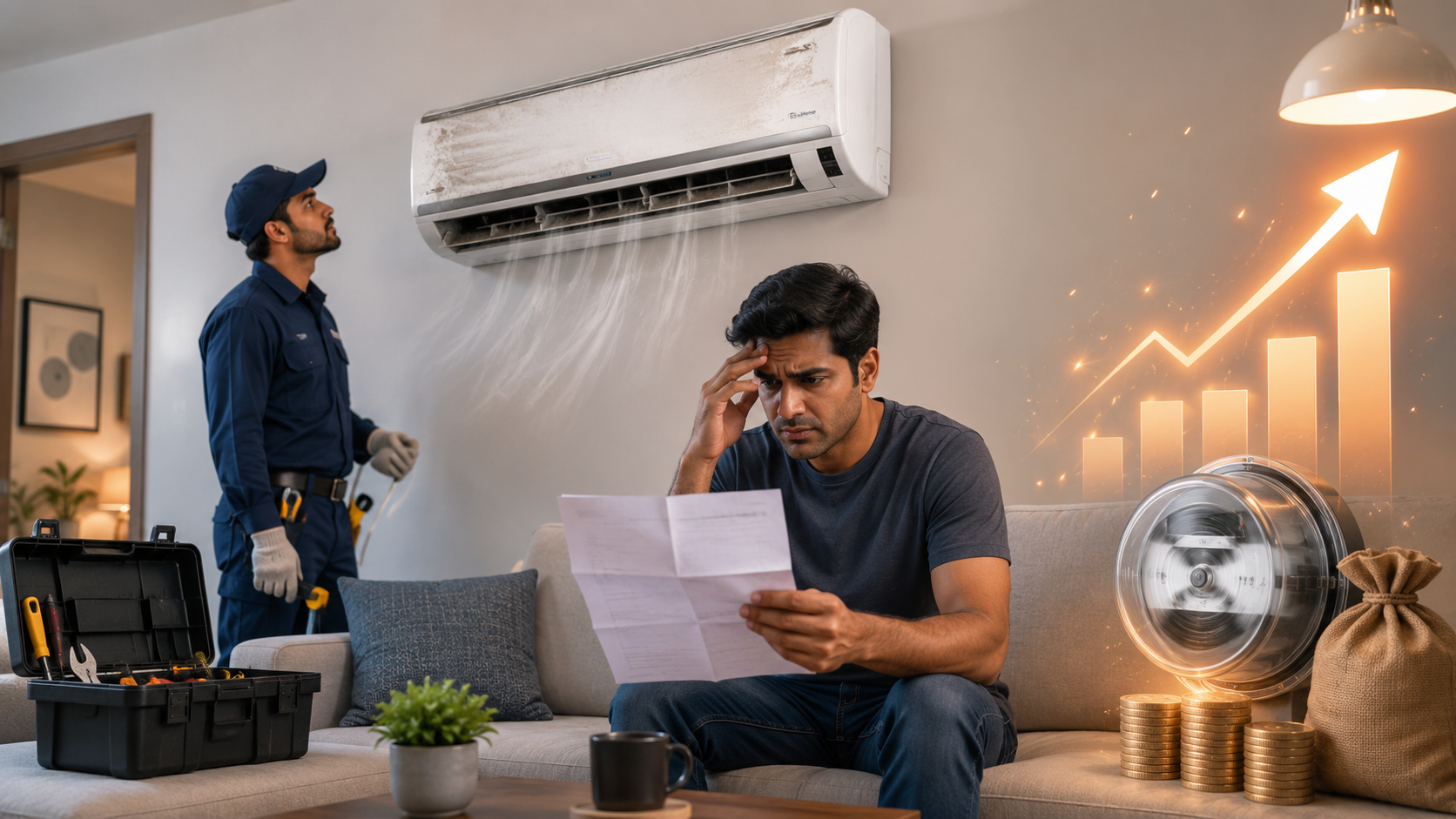
A sudden rise in energy bills can be one of the first signs that an air conditioner is no longer working efficiently. The system may still cool the home, but it could be running longer, starting more often, or struggling against hidden problems. Dirty coils, weak airflow, low refrigerant, electrical issues, thermostat errors, or worn parts can all increase energy use. AC repair matters because it helps identify the cause of the higher cost before the system experiences greater strain, reduced comfort, or a costly breakdown during hot weather.
Higher Bills Need Attention
- Finding the Hidden Cause of Energy Waste
AC repair matters when energy bills suddenly rise, because the increase often indicates a problem inside the system that is not visible on the thermostat. A homeowner may keep the same temperature setting and daily routine, yet the unit may work harder to deliver the same level of comfort. This can happen when filters are clogged, coils are dirty, refrigerant levels are low, or the blower is not moving air correctly. A technician can compare system performance with normal operating conditions and identify where energy is being wasted. Homeowners in Peoria may notice rising costs more quickly during long cooling seasons when the air conditioner runs frequently. Repair service helps separate normal seasonal changes from mechanical or airflow trouble. Once the cause is found, the system can be corrected before the extra energy use becomes a long-term expense.
- Restoring Airflow for Better Efficiency
Poor airflow is one of the most common reasons an AC system uses more energy. The system depends on steady air movement through the return vents, filter, evaporator coil, blower, ducts, and supply vents. When airflow is blocked or reduced, the air conditioner may run longer because cooled air is not circulating properly through the home. A clogged filter, a dirty blower wheel, a blocked vent, a leaking duct, or a restricted coil can all cause this problem. AC repair can include checking airflow, replacing filters, cleaning parts, inspecting ducts, and testing blower performance. Once air moves more freely, the system can cool rooms faster and with less strain. Better airflow also protects important parts from overheating or freezing. Repairing airflow problems can reduce energy waste while making the home feel more evenly and comfortably. This helps the AC complete healthier cooling cycles instead of running endlessly.
- Correcting Refrigerant and Coil Problems
Refrigerant and coil issues can also quickly raise energy bills. Refrigerant helps the system absorb heat from inside the home and release it outdoors. If the refrigerant is low due to a leak, the AC may run for longer periods while producing weaker cooling. Dirty indoor or outdoor coils can create a similar problem because heat cannot move through the system as efficiently. The unit may sound normal but use more power while delivering less comfort. AC repair involves checking refrigerant pressure, looking for leaks, inspecting the coil condition, and cleaning affected components as needed. This protects the compressor, which can be damaged when the system runs under poor refrigerant or heat-transfer conditions. Restoring proper refrigerant performance and clean coil operation helps the AC remove heat more effectively. That means the home can cool more efficiently, with less energy waste and less stress on major equipment.
- Checking Thermostat and Electrical Performance
Sometimes a sudden rise in energy bills is due to controls or electrical components that are not working properly. A thermostat may be placed near sunlight, drafts, appliances, or vents, causing it to misread the home’s temperature. It may also have weak batteries, poor settings, or communication problems with the system. Electrical components such as capacitors, contactors, relays, or motors can fail over time and cause the unit to work harder to start or run. AC repair helps by testing the thermostat, checking wiring, measuring electrical readings, and confirming that the system is cycling correctly. If the AC starts too often, shuts off too soon, or runs longer than necessary, energy use can climb without the homeowner understanding why. Repairing control and electrical issues helps the system respond more accurately to real indoor conditions. This can reduce unnecessary operation and support steadier comfort.
- Preventing Bigger Costs From Delayed Repairs
Higher energy bills should not be ignored, as they may be an early warning sign that the AC system is under stress. When small issues persist, the unit may continue to use extra power while parts wear out faster. A dirty coil can strain the compressor. Poor airflow can affect the blower motor. Low refrigerant can reduce cooling and increase pressure on the system. Electrical weakness can lead to repeated startup problems or sudden shutdowns. AC repair helps stop this chain reaction before energy waste turns into a major repair. Timely service can also help homeowners avoid emergency breakdowns during the hottest days, when the system is already working hard. The cost of repair may be easier to manage than repeated high bills and damaged parts. Addressing the issue early helps protect comfort, equipment lifespan, and monthly household costs.
AC repair matters when energy bills suddenly rise because higher costs often mean the system is working harder than it should. The cause may involve airflow restrictions, dirty coils, refrigerant problems, faulty controls, weak electrical parts, or worn components. Repair service helps identify the source of wasted energy and restore more efficient operation. Acting early can prevent further strain, reduce the chance of breakdowns, and improve indoor comfort. Instead of treating a higher bill as normal, homeowners should see it as a warning that the cooling system may need attention.