

A garage door is one of the most frequently used entry points in many homes, providing both convenience and security. However, the springs that help lift and lower your garage door endure significant wear and tear over time. When these springs begin to fail, it can lead to a range of issues, from noisy operation to complete door malfunction. Recognizing the early warning signs of spring problems is crucial for maintaining the safety and functionality of your garage door. Timely repair or replacement can prevent further damage and ensure your garage remains a reliable part of your home.
What to look for in garage door springs
Difficulty Opening or Closing the Door
One of the most noticeable signs that your garage door spring may need attention is increased difficulty when opening or closing the door. If you find that the door feels unusually heavy or requires more effort to lift manually, this could indicate that the spring is losing its tension. Springs are designed to counterbalance the weight of the door, making it easy to operate. When a spring begins to fail, the door may not stay open on its own or may slam shut unexpectedly, posing a safety risk. Additionally, you might notice that the automatic opener struggles or fails to lift the door, which can put extra strain on the opener and lead to further mechanical issues. Addressing these symptoms promptly can help you avoid more costly repairs down the line.
Unusual Noises During Operation
Another common indicator of a failing garage door spring is the presence of unusual noises during operation. If you hear loud creaking, popping, or banging sounds when the door is in motion, it could be a sign that the spring is under excessive stress or is beginning to break. These noises often occur because the metal in the spring is weakening or has developed cracks. In some cases, a sudden loud bang may signal that the spring has snapped entirely, which can be dangerous and render the door inoperable. Homeowners in need of Expert Garage Door Repair in manhattan should pay close attention to these auditory warnings, as they often precede more serious problems. Ignoring these sounds can lead to a complete failure of the spring system, making it essential to seek professional help as soon as possible.
Visible Wear and Tear on the Springs
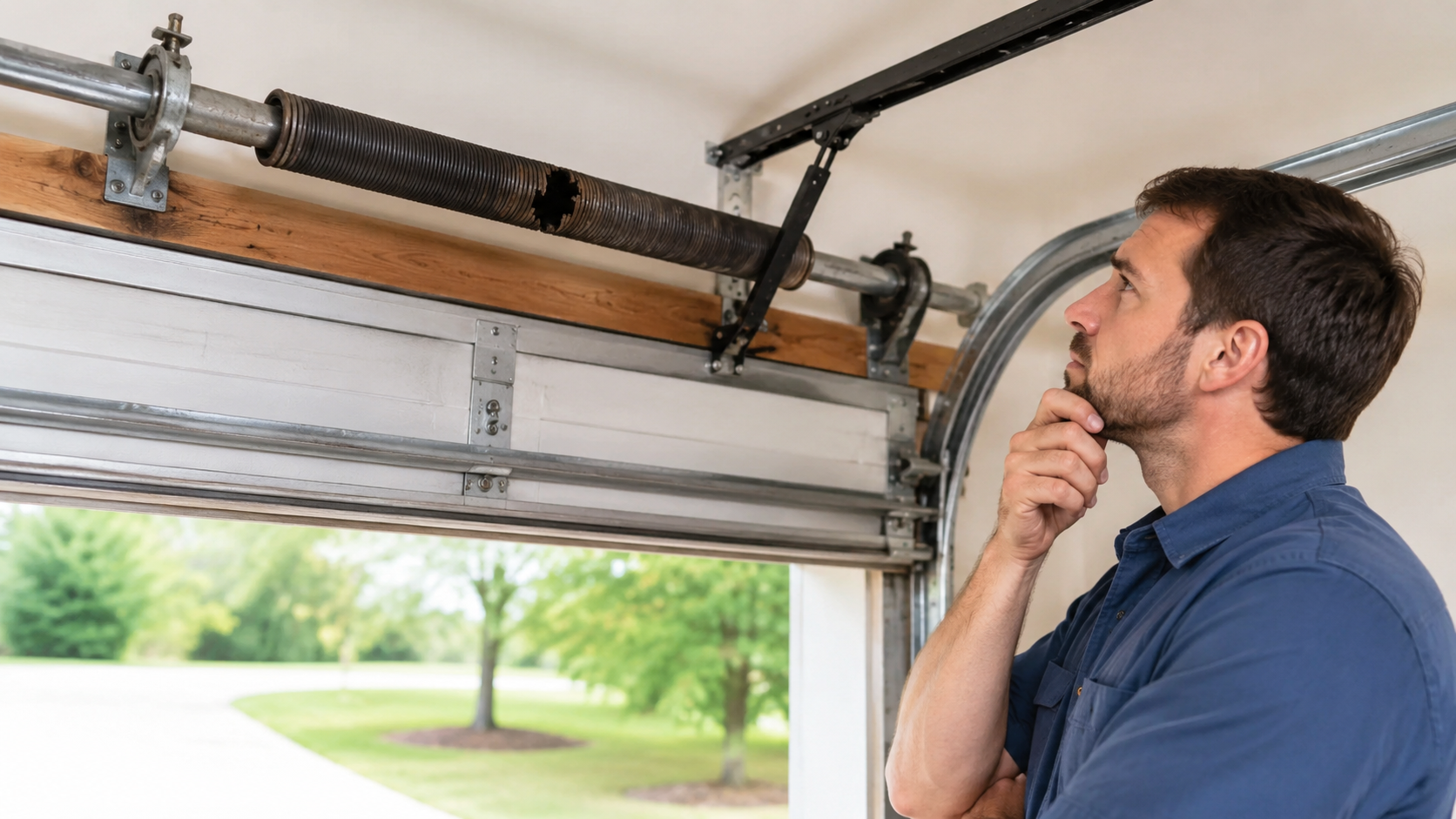
Physical inspection of your garage door springs can also reveal signs that repair or replacement is necessary. Over time, springs may show visible signs of wear such as rust, gaps, or stretching. Torsion springs, which are mounted above the door, may develop gaps between the coils, indicating that the spring has lost its tension. Extension springs, located along the sides of the door, can become elongated or show signs of fraying. Rust is another common issue, as it weakens the metal and accelerates the breakdown of the spring. If you notice any of these visual cues, it is important to address them promptly. Continuing to use a garage door with compromised springs can lead to sudden failure, which not only damages the door but also poses a significant safety hazard to anyone nearby.
Sudden Door Imbalance
A garage door that appears crooked or uneven when opening or closing is often a sign of a spring problem. Springs are responsible for distributing the weight of the door evenly, and when one spring fails or loses tension, the door may become unbalanced. This imbalance can cause the door to move unevenly along its tracks, increasing the risk of it coming off the rails or getting stuck. An unbalanced door also puts additional strain on the opener and other hardware, potentially leading to further damage. If you notice that your garage door is not sitting level or is moving erratically, it is important to have the springs inspected and repaired as soon as possible to restore proper function and prevent further complications.
The Importance of Timely Repairs
Addressing garage door spring issues promptly is essential for maintaining the safety and longevity of your garage door system. Delaying repairs can lead to more extensive damage, higher repair costs, and increased risk of injury. A malfunctioning spring can cause the door to fall unexpectedly or become stuck, trapping vehicles or posing a danger to people and pets. Regular maintenance and timely intervention can help you avoid these risks and ensure that your garage door continues to operate smoothly and safely.
When to Call a Professional
While some homeowners may be tempted to tackle garage door spring repairs themselves, it is important to recognize the risks involved. Garage door springs are under significant tension and can cause serious injury if not handled properly. Professional technicians have the training and tools necessary to safely repair or replace springs, ensuring that the job is done correctly. Attempting DIY repairs can lead to further damage or personal harm, making it advisable to seek professional assistance when dealing with spring issues. Trusting a qualified technician ensures that your garage door remains safe and functional for years to come.
Quick Safety Reminder
Garage door springs are under high tension and can be extremely dangerous if they break or are handled improperly. Always prioritize safety and avoid attempting repairs on your own unless you have the proper training and equipment. If you suspect a problem with your garage door springs, contact a professional to assess and address the issue safely.
Conclusion
Recognizing the signs that your garage door spring needs repair or replacement is crucial for maintaining the safety, security, and convenience of your home. From difficulty operating the door to unusual noises and visible wear, these warning signals should never be ignored. Timely attention to spring issues can prevent more serious problems and costly repairs in the future. By understanding what to look for and knowing when to call a professional, you can ensure that your garage door remains a reliable and safe entry point for your household. Regular maintenance and prompt repairs are key to extending the life of your garage door system and protecting your investment.