

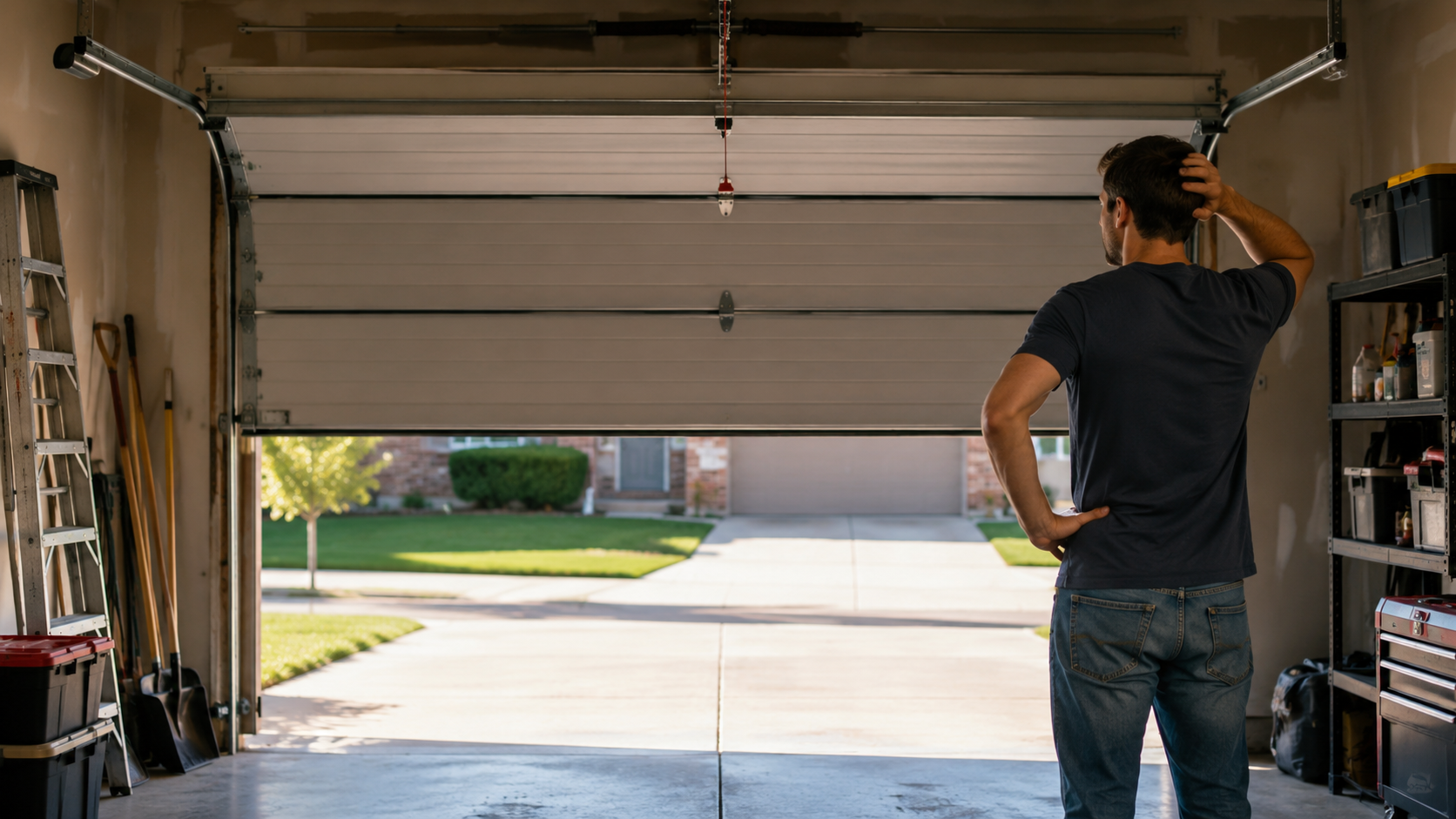
A garage door that gets stuck halfway can be a frustrating and inconvenient problem for any homeowner. Not only does it disrupt your daily routine, but it can also pose safety and security risks for your property. Understanding the possible causes and knowing how to address them can help you restore your garage door’s functionality quickly and safely. Whether the issue is mechanical, electrical, or related to regular wear and tear, taking the right steps can prevent further damage and ensure your garage remains secure. This guide covers the most common reasons for a stuck garage door and offers practical solutions to get it moving again.
Common causes and effective solutions
Understanding Why Garage Doors Get Stuck
Garage doors are complex systems that rely on a combination of mechanical and electrical components to operate smoothly. When a garage door gets stuck halfway, it is often due to issues with the tracks, rollers, springs, or opener. Dirt, debris, or obstructions in the tracks can prevent the door from moving freely, while worn-out rollers may cause the door to jam or move unevenly. Broken or misaligned springs can also disrupt the balance of the door, making it difficult to open or close completely. Electrical problems, such as faulty wiring or a malfunctioning opener, can further complicate the situation. Identifying the root cause is the first step toward resolving the issue and preventing it from happening again.
Safety Precautions Before Troubleshooting
Before attempting any repairs or troubleshooting, it is crucial to prioritize safety. Garage doors are heavy and operate under significant tension, especially when it comes to the springs and cables. Attempting to fix these components without proper knowledge or tools can result in serious injury. Always disconnect the power to the garage door opener before inspecting or working on the door. If you suspect a problem with the springs or cables, it is advisable to avoid handling them yourself and instead contact a professional. For homeowners in the area, contacting a Top-Rated Garage Door Repair in Lakeway, TX can ensure the job is done safely and efficiently, minimizing the risk of injury or further damage to your garage door system.
Inspecting the Tracks and Rollers
One of the most common reasons a garage door gets stuck halfway is due to issues with the tracks and rollers. Over time, dirt, dust, and debris can accumulate in the tracks, causing the rollers to get stuck or move unevenly. Inspect the tracks on both sides of the door for any visible obstructions or buildup. If you notice any debris, use a damp cloth to wipe it away and ensure the tracks are clean. Additionally, check for any dents, bends, or misalignments in the tracks, as these can also prevent the door from moving smoothly. Rollers should be inspected for signs of wear, such as cracks or flat spots, and lubricated with a silicone-based lubricant to reduce friction. If the rollers are damaged or excessively worn, they may need to be replaced to restore proper function. Regular maintenance of the tracks and rollers can help prevent future issues and extend the lifespan of your garage door.
Checking the Garage Door Opener
The garage door opener is another critical component that can cause the door to get stuck halfway if it malfunctions. Start by checking the power source to ensure the opener is receiving electricity. If the opener is unresponsive, inspect the wiring and connections for any signs of damage or loose connections. Sometimes, the problem may be as simple as a dead remote battery or a tripped circuit breaker. If the opener is functioning but the door still gets stuck, the issue may lie with the opener’s settings or sensors. Most modern garage door openers are equipped with safety sensors that prevent the door from closing if an object is detected in its path. Make sure the sensors are clean, properly aligned, and free from obstructions. If the sensors are misaligned or dirty, the door may stop moving as a safety precaution. Adjusting or cleaning the sensors can often resolve the issue and restore normal operation.
When to Call a Professional
If you have inspected the tracks, rollers, and opener but the garage door remains stuck, it may be time to call a professional. Some problems, such as broken springs or cables, require specialized tools and knowledge to repair safely. Attempting to fix these components without proper training can be dangerous and may result in further damage to your garage door system. A professional technician can accurately diagnose the problem and recommend the most effective solution. They can also perform routine maintenance to ensure all components are in good working order and help prevent future issues. Regular professional inspections can catch minor problems before they become major repairs, saving you time and money in the long run.
Preventing Future Garage Door Issues
Preventative maintenance is key to avoiding garage door problems in the future. Regularly cleaning the tracks and lubricating the rollers can keep the door moving smoothly and reduce the risk of it getting stuck. Inspect the springs, cables, and other hardware for signs of wear or damage, and address any issues promptly. Test the garage door opener and safety sensors periodically to ensure they are functioning correctly. Keeping the area around the garage door clear of debris and obstructions can also help prevent accidents and ensure the door operates safely. By staying proactive with maintenance, you can extend the life of your garage door and minimize the likelihood of unexpected breakdowns.
Quick Tips for Immediate Relief
If your garage door is stuck halfway and you need to secure your home quickly, try disconnecting the opener and manually moving the door. Most garage doors have a release cord that allows you to operate the door by hand. Gently lift or lower the door to the closed position, being careful not to force it. This temporary solution can help keep your garage secure until a professional can assess and repair the issue.
Conclusion
Dealing with a garage door that gets stuck halfway can be a stressful experience, but understanding the common causes and knowing how to address them can make the process much easier. By inspecting the tracks, rollers, and opener, and taking appropriate safety precautions, you can often identify and resolve minor issues on your own. However, for more complex problems or if you are unsure about the cause, it is always wise to seek professional help. Regular maintenance and prompt attention to any signs of trouble can help keep your garage door operating smoothly and reliably for years to come, ensuring the safety and security of your home.