

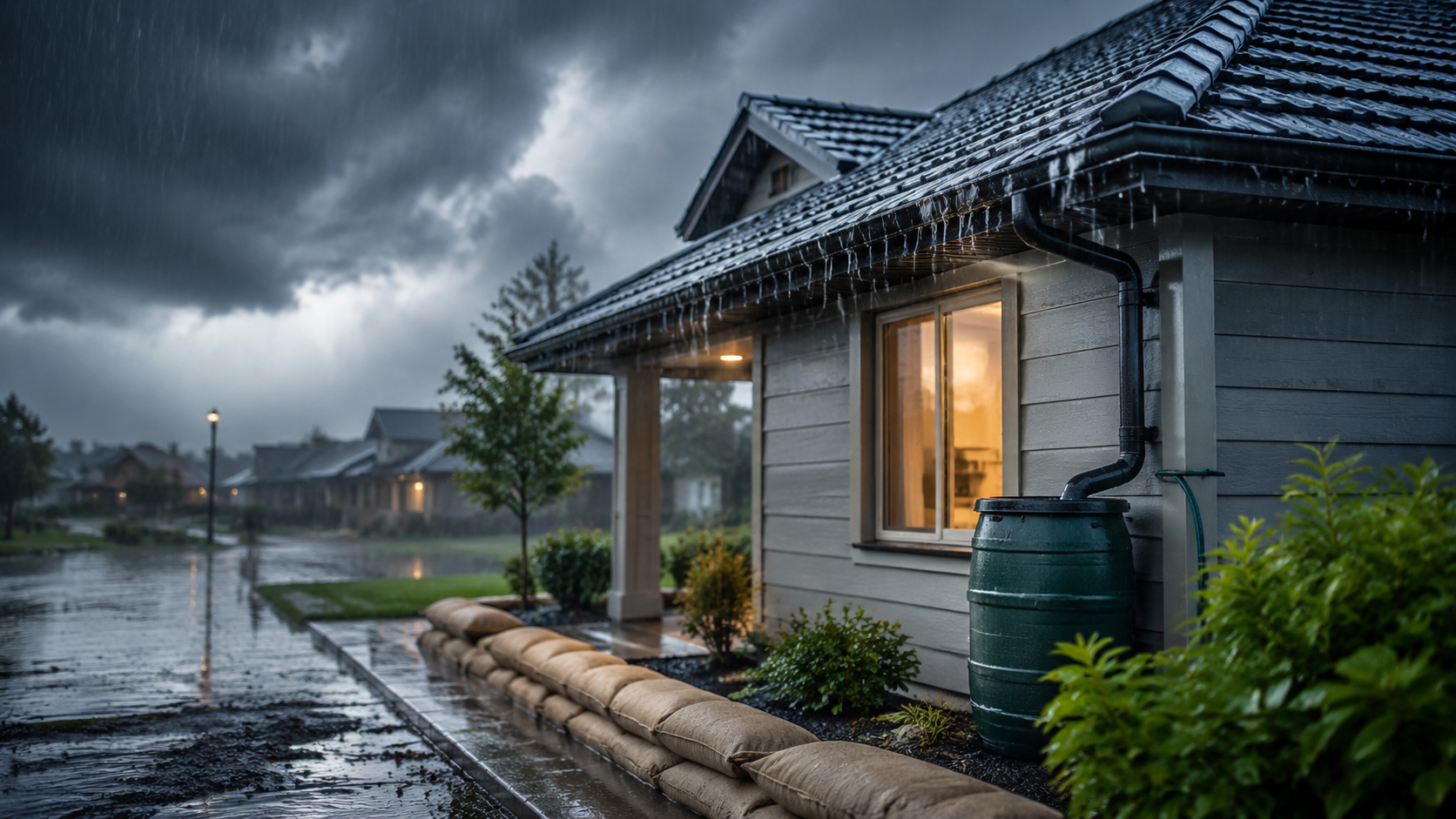
Long rainy weeks can put your home to the test, exposing it to persistent moisture, leaks, and potential water damage. Without proper preparation, even a well-built house can suffer from issues like mold, foundation problems, and damaged interiors. Taking proactive steps before and during extended periods of rain is essential to keep your property safe and dry. From inspecting your roof and gutters to managing drainage and maintaining your yard, there are several effective strategies to minimize risks. Understanding these measures can help you maintain your home’s integrity and avoid costly repairs in the future.
Key steps for rainy week protection
Inspecting and Maintaining Your Roof
Your roof is your home’s first line of defense against heavy rainfall. Over time, shingles can become loose, cracked, or missing, allowing water to seep through and cause leaks inside your home. Before the rainy season begins, it is important to conduct a thorough inspection of your roof. Look for any visible signs of damage, such as curling shingles, moss growth, or dark streaks, which can indicate water infiltration. Pay close attention to areas around chimneys, skylights, and vents, as these are common spots for leaks to develop. If you notice any issues, arrange for repairs as soon as possible to prevent further damage. Regular maintenance, such as clearing debris and checking for signs of wear, can extend the life of your roof and provide peace of mind during long stretches of wet weather.
Gutter Systems and Water Management
Properly functioning gutters and downspouts are crucial for directing rainwater away from your home’s foundation. Clogged or damaged gutters can cause water to overflow, leading to erosion, basement flooding, and even structural damage. It is important to clean your gutters regularly, especially before and during periods of heavy rain. Remove leaves, twigs, and other debris that can block the flow of water. Inspect the downspouts to ensure they are securely attached and direct water at least several feet away from your home. For homeowners in Virginia, a gutter install in ashland can provide an effective solution for managing rainwater and protecting your property. Investing in high-quality gutter guards can also reduce maintenance needs and help prevent clogs. By keeping your gutter system in top condition, you can significantly reduce the risk of water-related issues during prolonged rainy weeks.
Checking Windows, Doors, and Seals
Windows and doors are common entry points for water during heavy rain. Over time, the seals around these openings can deteriorate, allowing moisture to seep inside. To prevent leaks, inspect the caulking and weatherstripping around all windows and doors. Replace any cracked or missing caulk, and ensure that weatherstripping is intact and properly fitted. Pay attention to basement windows and doors, as these are particularly vulnerable to water intrusion. If you notice condensation or water stains around your windows, it may be a sign that the seals are failing. Upgrading to double-paned or storm windows can provide additional protection against the elements. Taking the time to maintain and improve the seals around your home’s openings can help keep your interior dry and comfortable, even during the wettest weeks.
Yard Drainage and Landscaping
The way your yard is landscaped can have a significant impact on how water flows around your home. Poor drainage can lead to pooling water near your foundation, increasing the risk of leaks and structural damage. To improve drainage, ensure that the ground slopes away from your house, allowing rainwater to flow naturally toward the street or a designated drainage area. Avoid planting shrubs or trees too close to your foundation, as their roots can interfere with drainage systems and cause water to accumulate. Consider installing a French drain or a dry well to manage excess water in problem areas. Regularly check for low spots in your yard where water tends to collect and fill them in with soil as needed. By addressing drainage issues and maintaining your landscaping, you can help protect your home from the effects of prolonged rainfall.
Quick Tip: Sump Pump Readiness
A sump pump can be a valuable tool for preventing basement flooding during long rainy weeks. Test your sump pump before the rainy season by pouring water into the pit and ensuring it activates and drains properly. Keep the area around the pump clear and consider a battery backup in case of power outages.
Preventing Mold and Moisture Buildup
Extended periods of rain can create the perfect conditions for mold growth inside your home. Mold thrives in damp, poorly ventilated areas such as basements, bathrooms, and attics. To prevent mold, use dehumidifiers in areas prone to moisture and ensure that your home is well-ventilated. Check for signs of water leaks or condensation on walls, ceilings, and floors, and address any issues promptly. Clean and dry any wet materials or surfaces within 24 to 48 hours to prevent mold spores from taking hold. Regularly inspect hidden areas, such as behind furniture or under carpets, for signs of dampness. If you discover mold, clean it with appropriate cleaning solutions and take steps to eliminate the source of moisture. Maintaining a dry and well-ventilated home is key to preventing mold and protecting your family’s health during rainy weeks.
Conclusion
Protecting your home during long rainy weeks requires attention to detail and a proactive approach. By inspecting your roof, maintaining your gutter system, checking windows and doors, managing yard drainage, and preventing mold, you can significantly reduce the risk of water damage and maintain a safe, comfortable living environment. Taking these steps not only safeguards your property but also helps you avoid costly repairs and health issues associated with moisture and mold. Consistent maintenance and timely improvements are essential for weathering the challenges of extended rainfall, ensuring your home remains a secure haven no matter how long the rain lasts.