

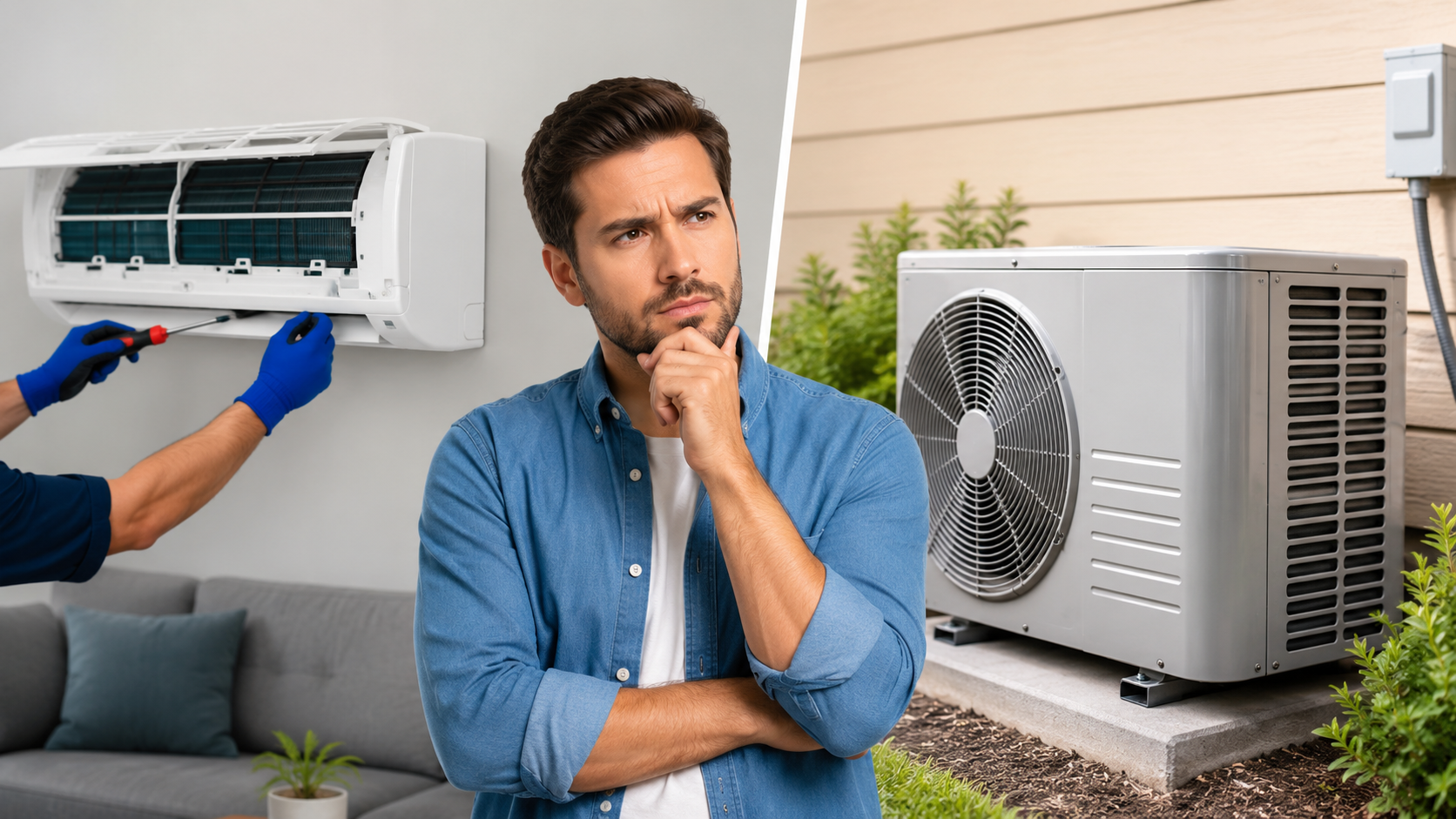
When your air conditioning system starts to show signs of trouble, deciding whether to repair or replace it can be a challenging decision. Factors such as the age of your unit, the frequency of breakdowns, and the cost of repairs all play a role in determining the most practical solution. Making the right choice is crucial for maintaining comfort in your home, managing energy costs, and avoiding unnecessary expenses. Understanding the differences between repair and replacement, as well as the long-term implications of each option, will help you make an informed decision that suits your needs and budget.
What to Expect in This Guide
Signs Your AC Needs Attention
Air conditioning systems are essential for comfort, especially during the hottest months of the year. Over time, even the most reliable units can develop issues that affect their performance. Common signs that your AC needs attention include unusual noises, weak airflow, inconsistent cooling, and higher energy bills. If you notice that your system is running longer than usual or struggling to maintain the desired temperature, it may be time to investigate further. Ignoring these warning signs can lead to more significant problems down the road, potentially resulting in costly repairs or even system failure. Addressing issues early can help extend the life of your unit and ensure it operates efficiently. Regular maintenance and prompt repairs are key to preventing minor problems from escalating into major breakdowns. If your AC is more than ten years old or has required frequent repairs in recent years, it may be time to consider whether repair or replacement is the better option for your situation.
Factors to Consider Before Deciding
When faced with the choice between repairing or replacing your air conditioning system, several important factors should be taken into account. The age of your unit is a primary consideration, as older systems are more likely to experience recurring issues and may not be as energy-efficient as newer models. The cost of repairs compared to the value of your current system is another crucial aspect. If the repair costs are approaching or exceeding half the price of a new unit, replacement may be the more economical choice. Additionally, consider the frequency of breakdowns and the impact on your comfort and daily routine. If your AC is constantly in need of service, the inconvenience and expense can quickly add up. Homeowners should also evaluate the energy efficiency of their current system, as upgrading to a newer model can result in significant savings on utility bills over time. For more information on making the right decision, Click here to learn about the options available for your home.
Benefits of Repairing Your AC
Repairing your air conditioning system can be a practical solution in many situations, especially if the unit is relatively new and the issue is minor. Timely repairs can restore your system’s performance, improve energy efficiency, and extend the lifespan of your equipment. Addressing problems as soon as they arise can prevent further damage and reduce the risk of more expensive repairs in the future. In some cases, a simple fix such as replacing a faulty component or cleaning the system can resolve the issue and restore comfort to your home. Repairing your AC can also be a cost-effective option if the unit is still under warranty, as many manufacturers cover the cost of parts and labor for a certain period. However, it is important to weigh the benefits of repair against the potential for ongoing issues, especially if your system is older or has a history of frequent breakdowns. Making an informed decision requires careful consideration of the current condition of your AC and the long-term costs associated with continued repairs.
When Replacement Makes More Sense
There are situations where replacing your air conditioning system is the more sensible choice. If your unit is more than ten to fifteen years old, it may be nearing the end of its useful life and prone to frequent breakdowns. Older systems are often less energy-efficient, resulting in higher utility bills and increased environmental impact. Upgrading to a new, energy-efficient model can provide significant savings on energy costs and improve the overall comfort of your home. Replacement is also recommended if your current system requires major repairs that are costly or if the refrigerant used in your unit is being phased out due to environmental regulations. Investing in a new AC system can offer peace of mind, as modern units come with improved technology, better warranties, and enhanced features that make them easier to operate and maintain. While the upfront cost of replacement may be higher, the long-term benefits often outweigh the initial investment, especially when considering reduced repair costs and improved energy efficiency.
The Cost Comparison
Comparing the costs of repairing versus replacing your air conditioning system is an important step in the decision-making process. Repair costs can vary widely depending on the nature and severity of the problem, but frequent repairs can quickly add up over time. On the other hand, the cost of a new AC system includes not only the price of the unit itself but also installation and any necessary modifications to your home’s existing infrastructure. While replacement may require a larger upfront investment, it can lead to lower energy bills and fewer repair expenses in the future. Homeowners should also consider the potential for rebates or incentives when purchasing a new, energy-efficient system, which can help offset the initial cost. Ultimately, the decision should be based on a careful analysis of your current system’s condition, the estimated cost of repairs, and the long-term savings associated with a new unit. Consulting with a trusted HVAC provider can help you evaluate your options and choose the solution that offers the greatest value for your home.
Energy Efficiency and Environmental Impact
Modern air conditioning systems are designed to be more energy-efficient and environmentally friendly than older models. Upgrading to a new unit can significantly reduce your home’s energy consumption, resulting in lower utility bills and a smaller carbon footprint. Many newer systems use eco-friendly refrigerants that are less harmful to the environment, and advanced technology allows for more precise temperature control and improved indoor air quality. Investing in an energy-efficient AC system not only benefits your wallet but also contributes to a healthier planet. When considering whether to repair or replace your unit, it is important to factor in the long-term environmental impact of your decision. Choosing a system with a high Seasonal Energy Efficiency Ratio (SEER) rating can maximize your energy savings and ensure your home remains comfortable year-round.
Maintenance Tips for Longevity
Proper maintenance is essential for extending the life of your air conditioning system and ensuring it operates at peak efficiency. Regularly changing air filters, cleaning coils, and scheduling annual inspections can help prevent common issues and keep your unit running smoothly. Simple tasks such as keeping the area around your outdoor unit clear of debris and checking for signs of wear and tear can make a significant difference in performance. Preventative maintenance not only reduces the likelihood of unexpected breakdowns but also helps maintain optimal energy efficiency, saving you money on utility bills. By taking a proactive approach to AC care, you can delay the need for costly repairs or replacement and enjoy reliable comfort throughout the year.
Making the Right Choice
Deciding between AC repair and replacement requires careful consideration of several factors, including the age and condition of your system, the cost of repairs, and the potential benefits of upgrading to a newer model. While repairing your unit may be the right choice for minor issues or newer systems, replacement often makes more sense for older units with frequent problems or declining efficiency. Evaluating your options and consulting with a reputable HVAC provider can help you make an informed decision that meets your needs and budget. By weighing the pros and cons of each option and considering the long-term implications, you can ensure your home remains comfortable and energy-efficient for years to come.