
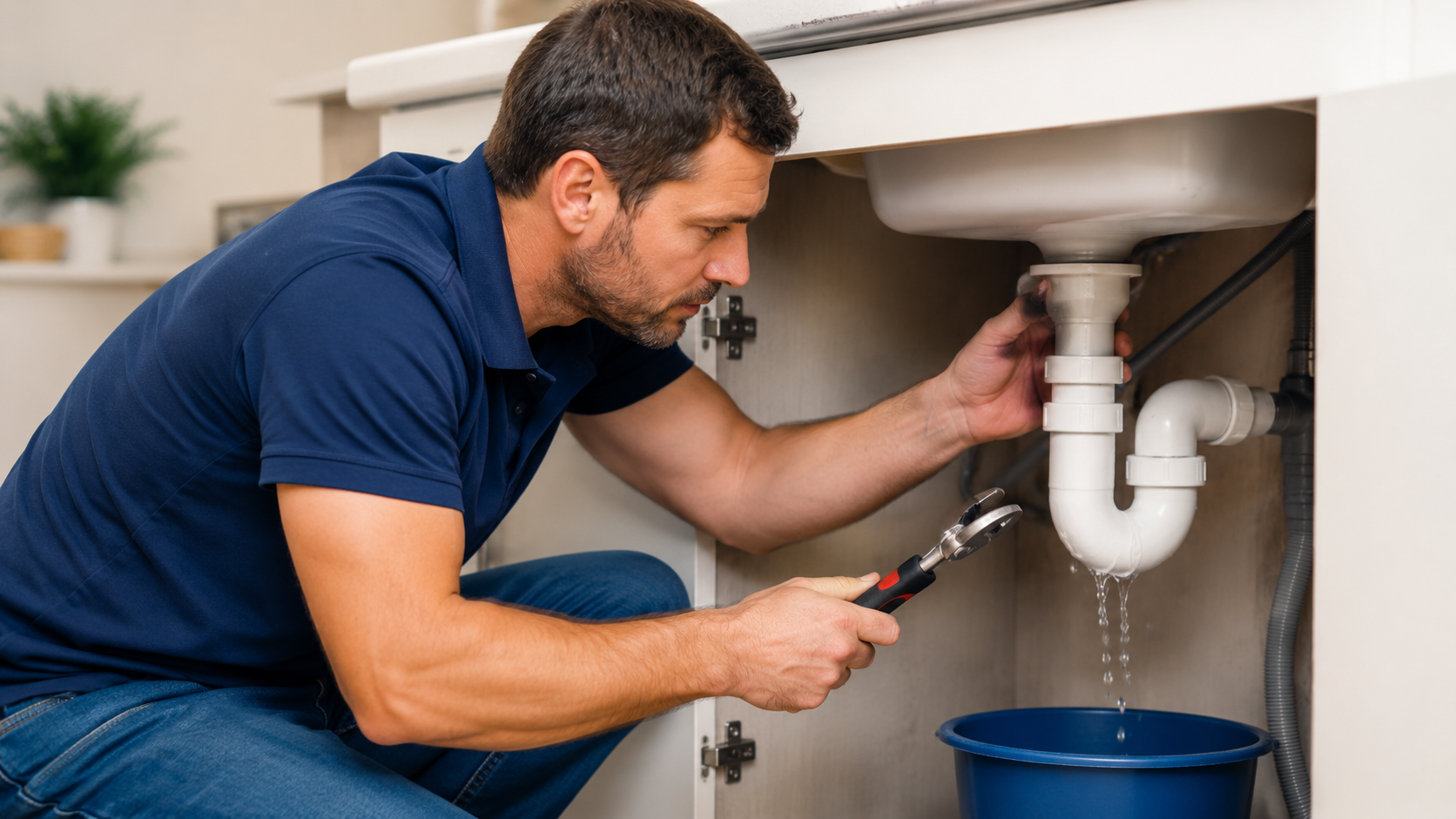
Plumbing issues are a common occurrence in many households, and while some may seem minor at first, ignoring them can lead to significant damage and costly repairs. From leaky faucets to clogged drains, these problems can disrupt daily routines and even cause structural harm to your home if left unaddressed. Understanding the most frequent plumbing problems and knowing when to take action is crucial for maintaining a safe and comfortable living environment. Addressing these issues promptly not only saves money in the long run but also helps prevent more severe complications that could impact your property’s value and your family’s well-being.
What to expect from this guide
Persistent Leaky Faucets
Leaky faucets are among the most common plumbing problems homeowners encounter, and while they may seem like a minor annoyance, their impact can be far-reaching. A dripping faucet can waste hundreds of gallons of water over time, leading to higher utility bills and unnecessary strain on the environment. The constant moisture can also contribute to the growth of mold and mildew, which can affect indoor air quality and pose health risks. In many cases, a leaky faucet is caused by worn-out washers, gaskets, or seals, but sometimes the issue may be more complex, involving corroded valve seats or faulty plumbing connections. Ignoring a leaky faucet can result in further deterioration of the fixture, potentially requiring a complete replacement rather than a simple repair. Homeowners should address leaks as soon as they are noticed to prevent escalation and to maintain the efficiency of their plumbing system. Regular inspection and timely maintenance can help catch these issues early, saving both water and money.
Slow or Clogged Drains
Slow or clogged drains are another frequent plumbing concern that can quickly escalate if not handled properly. When water drains slowly from sinks, tubs, or showers, it often indicates a buildup of debris such as hair, soap scum, grease, or food particles within the pipes. Over time, these blockages can become more severe, leading to complete clogs that prevent any water from passing through. In some cases, recurring clogs may signal a deeper issue within the plumbing system, such as tree root intrusion or damaged pipes. Attempting to clear clogs with chemical drain cleaners can sometimes worsen the problem by causing pipe corrosion or pushing the blockage further down the line. For persistent or recurring drain issues, it is advisable to consult a professional service like https://whizproplumber.com to ensure the problem is thoroughly resolved. Addressing slow or clogged drains promptly helps maintain proper water flow and prevents potential water damage or unsanitary conditions in the home.
Running Toilets and Hidden Leaks
A running toilet is not only an annoyance but also a significant source of water waste in many homes. This problem often goes unnoticed for extended periods, leading to surprisingly high water bills and unnecessary resource consumption. The most common causes of a running toilet include faulty flapper valves, worn-out fill valves, or issues with the float mechanism. In some cases, leaks may be hidden, such as those occurring at the base of the toilet or within the tank, making them harder to detect without a thorough inspection. These hidden leaks can cause water to seep into the flooring and subfloor, resulting in structural damage and the potential for mold growth. Homeowners should regularly check their toilets for signs of continuous running or unexplained moisture around the base. Prompt repairs not only conserve water but also protect the integrity of the bathroom and surrounding areas. Ignoring these issues can lead to more extensive repairs and higher costs down the line.
Burst Pipes and Water Damage
Burst pipes are one of the most serious plumbing emergencies a homeowner can face, often resulting in extensive water damage and costly repairs. Pipes can burst for a variety of reasons, including freezing temperatures, corrosion, high water pressure, or physical damage from construction or landscaping activities. When a pipe bursts, water can flood the affected area rapidly, damaging walls, floors, furniture, and personal belongings. The moisture can also create an ideal environment for mold and mildew to thrive, posing health risks and further complicating the cleanup process. Preventing burst pipes involves regular inspection of your plumbing system, insulating exposed pipes during cold weather, and addressing any signs of corrosion or leaks as soon as they are detected. If a burst pipe occurs, it is crucial to shut off the main water supply immediately and seek professional assistance to minimize damage. Timely intervention can make a significant difference in the extent of repairs needed and the overall cost of restoration.
Low Water Pressure
Low water pressure is a frustrating issue that can affect showers, faucets, and appliances throughout the home. This problem can stem from a variety of causes, including mineral buildup in pipes, partially closed shutoff valves, leaks, or issues with the municipal water supply. In older homes, corroded pipes are a common culprit, as the buildup of rust and debris restricts water flow over time. Low water pressure can make everyday tasks like showering or washing dishes more difficult and less efficient. It can also be a sign of more serious underlying problems, such as hidden leaks or failing pressure regulators. Addressing low water pressure requires a systematic approach to identify the root cause, which may involve inspecting fixtures, checking for leaks, and evaluating the condition of the plumbing system. Ignoring this issue can lead to further deterioration of pipes and fixtures, resulting in more extensive repairs and higher costs in the future.
The Importance of Timely Repairs
Addressing plumbing problems as soon as they arise is essential for maintaining a safe and comfortable home. Even minor issues can escalate quickly, leading to water damage, mold growth, and increased repair costs. Timely repairs help preserve the integrity of your plumbing system and prevent disruptions to your daily routine. Regular maintenance and prompt attention to warning signs can save homeowners significant time and money in the long run.
Conclusion
Plumbing problems are an inevitable part of homeownership, but ignoring them can have serious consequences for both your property and your finances. From leaky faucets and clogged drains to running toilets and burst pipes, each issue has the potential to cause significant damage if left unaddressed. Taking a proactive approach to plumbing maintenance and repairs helps ensure the longevity and efficiency of your home’s plumbing system. By staying vigilant and addressing problems promptly, homeowners can avoid costly repairs, protect their investment, and maintain a healthy living environment for their families. Regular inspections and timely interventions are key to preventing minor issues from becoming major headaches, making it essential to prioritize plumbing care in your home maintenance routine.