

Introduction
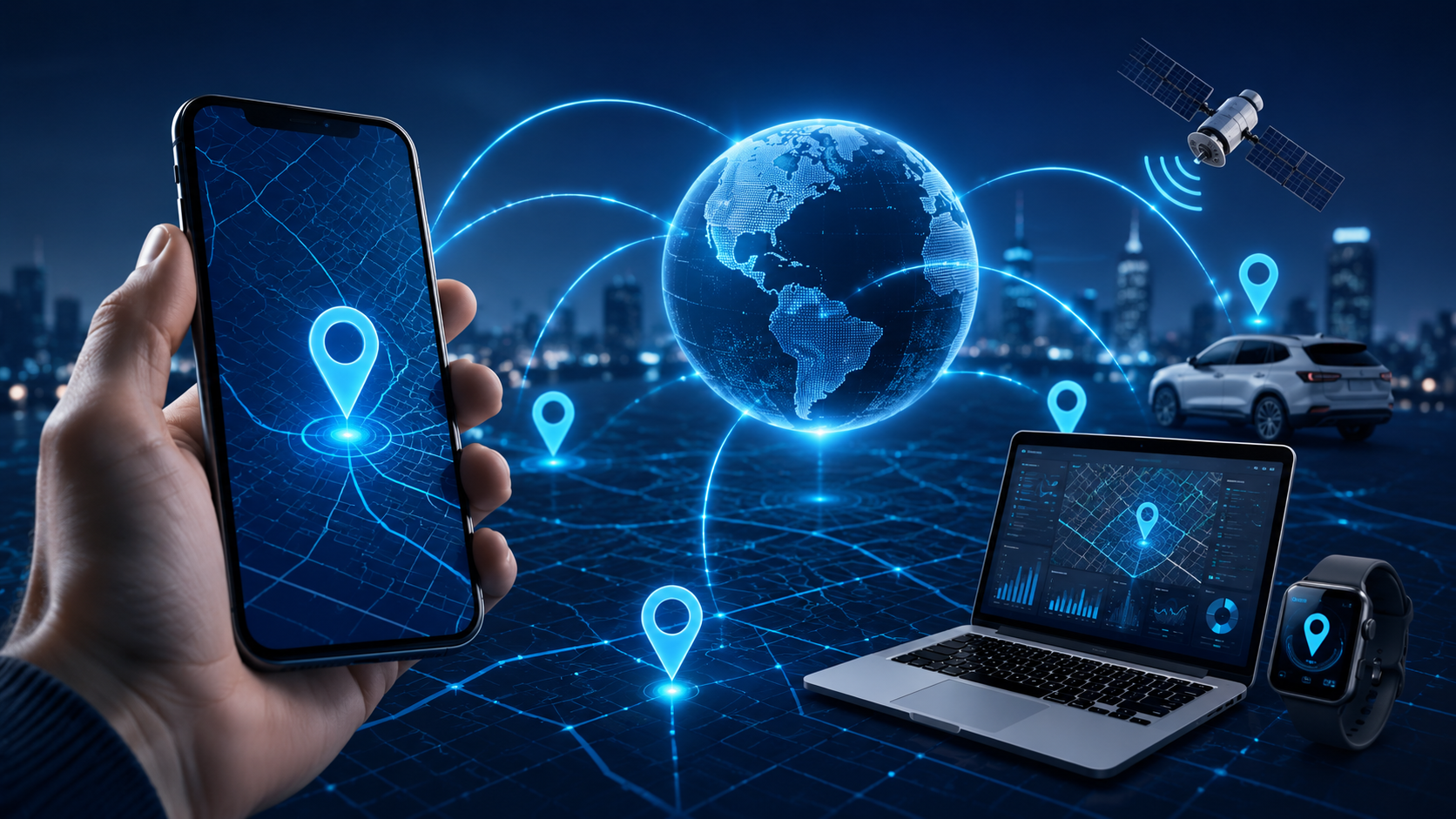
Tracqueur is a term connected with tracking, monitoring, and location-based technology. In simple words, it refers to a system, device, or digital method that helps users follow the position, movement, activity, or status of something important. It may be used for vehicles, personal belongings, business assets, delivery operations, or digital activity tracking.
The positive side is clear: tracqueur technology can improve safety, save time, protect assets, and help people make smarter decisions. The negative side is also important: tracking without consent can create privacy problems, legal issues, and trust concerns. That is why this topic should be understood carefully and responsibly.
Quick Bio
| Feature | Details |
|---|---|
| Name | Tracqueur |
| Main Meaning | A tracking-related term connected with smart tracking, location monitoring, and asset tracking technology |
| Category | GPS tracking, Bluetooth tracking, asset monitoring, and digital tracking systems |
| Main Purpose | To help users monitor location, movement, activity, or asset status |
| Common Uses | Vehicle tracking, luggage tracking, pet tracking, fleet monitoring, delivery tracking, and personal item finding |
| Key Features | Real-time tracking, geofencing, location history, mobile alerts, and movement monitoring |
| Best For | Individuals, businesses, fleet managers, logistics teams, and people who want better safety and control |
| Positive Side | Improves safety, saves time, protects valuable items, and supports smarter decisions |
| Negative Side | Can create privacy risks if used without consent or proper data protection |
| Important Note | Tracqueur should be understood as a broad tracking concept unless a specific official product or brand is being discussed |
What Is Tracqueur?
Tracqueur can be explained as a tracking solution that collects location or activity data and presents it in a useful way. Depending on the system, it may use GPS, Bluetooth, mobile networks, cloud dashboards, sensors, or software-based analytics.
The meaning can change based on the context. In one case, it may refer to a small tracking device attached to a valuable item. In another case, it may refer to a larger monitoring system used by companies to track vehicles, deliveries, employees in the field, or expensive equipment.
Tracqueur Meaning in Simple Words
In simple terms, tracqueur means a tracker or tracking system. It helps answer questions like “Where is my item?”, “Where is my vehicle?”, “Has this asset moved?”, or “Did this object leave a safe area?”
This makes the technology useful for safety, organization, and control. However, it should always be used with clear permission when people or personal movement are involved.
How Tracqueur Technology Works
Most tracking systems work by collecting signals from a device and sending that data to a phone app, web dashboard, or connected platform. A GPS tracker may use satellite location, while a Bluetooth tracker works better for short-distance item finding.
After collecting the data, the system shows useful information such as current location, movement history, battery status, speed, or alerts. Some advanced tracking systems also include geofencing, which means users can create a virtual boundary and receive a notification when the tracker enters or leaves that area.
GPS Tracking
GPS tracking is one of the most common forms of tracqueur technology. It is useful for vehicles, delivery vans, motorcycles, construction equipment, and outdoor assets because it can provide wider location coverage.
This type of tracking is helpful when real-time location matters. For example, a business can monitor delivery routes, reduce delays, and respond quickly if a vehicle moves unexpectedly.
Bluetooth Tracking
Bluetooth tracking is better for nearby objects. It is often used for wallets, bags, keys, and small personal items. Instead of tracking across long distances, it helps users find items within a limited range.
A Bluetooth tracker may connect with a smartphone app and make a sound when the item is nearby. This is useful for daily life, especially for people who often misplace small but important belongings.
Main Features of a Good Tracqueur System
A useful tracqueur system should be easy to understand, accurate enough for its purpose, and safe to use. The best tracking solutions usually provide clear location data, simple alerts, and a user-friendly dashboard.
Important features may include real-time tracking, location history, movement alerts, geofencing, battery notifications, mobile app access, cloud storage, and device management. These features help users act quickly instead of only checking information after a problem has already happened.
Real-Time Monitoring
Real-time monitoring allows users to see current movement or location updates. This feature is especially useful for fleet managers, delivery businesses, and people protecting valuable assets.
However, real-time tracking should not be used carelessly. When a person is being tracked, clear consent and legal compliance are necessary.
Geofencing Alerts
Geofencing is a smart feature that creates a virtual boundary around a location. If the tracker enters or exits that boundary, the system sends an alert.
This can help protect cars, equipment, pets, or business assets. It can also help parents or caregivers in responsible safety situations, but privacy and consent must always be respected.
Benefits of Tracqueur Technology
The biggest benefit of tracqueur technology is control. Users can check the status of valuable items, reduce uncertainty, and respond faster when something goes wrong.
For businesses, tracking systems can improve productivity, reduce fuel waste, improve delivery planning, and protect company assets. For individuals, smart tracking devices can reduce stress by helping locate lost or misplaced belongings.
Better Safety and Security
Tracking technology can support security by helping users detect unusual movement. If a vehicle, bag, or tool moves without permission, the owner can receive an alert and take action.
This makes tracqueur systems useful for theft prevention and recovery support. Still, no tracker should be seen as a complete security solution by itself. It works best when combined with locks, safe habits, and proper monitoring.
Smarter Business Operations
Businesses can use tracking systems to improve route planning, delivery updates, field team coordination, and asset usage. This can save time and reduce unnecessary costs.
For example, a delivery company may use GPS tracking to understand route delays and improve customer updates. A construction company may use asset tracking to know where tools and machines are located.
Risks and Privacy Concerns
The main risk of any tracqueur system is misuse. Tracking can become harmful if it is used secretly, without consent, or for spying on people.
Users should understand the difference between tracking property and tracking a person. Tracking a company vehicle with a clear policy is very different from secretly tracking someone’s private movement. Responsible use protects both safety and trust.
Data Safety
Tracking systems collect sensitive data, including location history and movement patterns. If this data is not protected, it may create security risks.
A good tracking solution should offer secure access, strong passwords, privacy controls, and clear data settings. Users should avoid unknown apps or devices that do not explain how data is stored or used.
Tracqueur vs Tracker vs Tracking Device
Tracqueur and tracker are closely related terms. Tracker is the more common English word, while tracqueur appears to be used as a broader or stylized term for tracking technology.
A tracking device usually means the physical object that collects location data. A tracking system includes the device, app, dashboard, alerts, and data storage. Understanding these differences helps users choose the right solution.
Tracqueur for Personal Use
For personal use, tracqueur technology can help find lost items, monitor luggage, protect a bike, or locate a parked vehicle. It is useful when the goal is safety and convenience.
The best personal tracking solution should be simple, affordable, and easy to manage from a mobile phone.
Tracqueur for Business Use
For business use, tracking technology can support fleet tracking, asset monitoring, delivery management, and equipment protection. It helps teams make decisions based on real data.
A business should also create clear tracking policies so employees understand what is being monitored and why.
How to Choose a Reliable Tracqueur Solution
Before choosing any tracking system, define your purpose. Do you need long-distance GPS tracking, short-range Bluetooth tracking, vehicle monitoring, or asset protection?
Then check important factors such as accuracy, battery life, mobile app quality, alert options, data privacy, ease of setup, and customer support. A reliable solution should solve a real problem without creating unnecessary privacy risks.
Important Buying Factors
Look for a tracker that matches your exact use case. A small Bluetooth tracker may be enough for keys, but it may not work well for a moving vehicle.
For vehicles or business assets, GPS tracking with real-time updates, geofencing, and location history is usually more useful. For personal items, size, battery life, and app simplicity may matter more.
FAQs
What is tracqueur?
Tracqueur refers to a tracking system, device, or technology used to monitor location, movement, activity, or asset status. It is commonly linked with GPS tracking, Bluetooth tracking, and real-time monitoring tools.
Is tracqueur a product or a technology?
Tracqueur is better understood as a broad tracking-related term unless you are talking about a specific official product or brand. It can describe different tracking devices, apps, or monitoring systems.
What is tracqueur used for?
It can be used for vehicle tracking, asset monitoring, luggage tracking, pet tracking, fleet management, delivery tracking, and personal item finding.
Is tracqueur safe to use?
Yes, it can be safe when used legally, transparently, and with proper data protection. However, using tracking technology secretly or without consent can create serious privacy and legal concerns.
What is the difference between GPS tracking and Bluetooth tracking?
GPS tracking is better for long-distance location monitoring, especially for vehicles and outdoor assets. Bluetooth tracking is better for nearby personal items such as keys, wallets, and bags.
Can businesses use tracqueur systems?
Yes, businesses can use tracking systems for fleet management, route planning, asset protection, delivery updates, and equipment monitoring. They should also follow privacy rules and inform employees when tracking is used.
Does tracqueur work without the internet?
Some trackers can collect location data without constant internet access, but most need a mobile network, Wi-Fi, or internet connection to send updates to an app or dashboard.
What features should a good tracqueur system have?
A good system should include accurate location tracking, real-time alerts, geofencing, movement history, long battery life, easy app access, and strong privacy protection.
Can tracqueur help prevent theft?
It can help by sending movement alerts and showing location data, which may support recovery. However, it should be used with other security measures such as locks, alarms, and safe storage.
Who should use tracqueur technology?
Individuals, families, delivery companies, fleet managers, construction businesses, logistics teams, and asset-heavy companies can benefit from tracking technology when it is used responsibly.
Conclusion
Tracqueur is best understood as a modern tracking concept connected with GPS tracking, Bluetooth trackers, asset monitoring, real-time location systems, and smart security tools. It can be highly useful for individuals and businesses when used for safety, organization, and protection.
At the same time, tracking technology must be used responsibly. The positive value comes from security, convenience, and better control. The negative risk comes from misuse, privacy invasion, and poor data protection. The smartest approach is to choose a reliable tracking solution, use it transparently, and respect consent at all times